
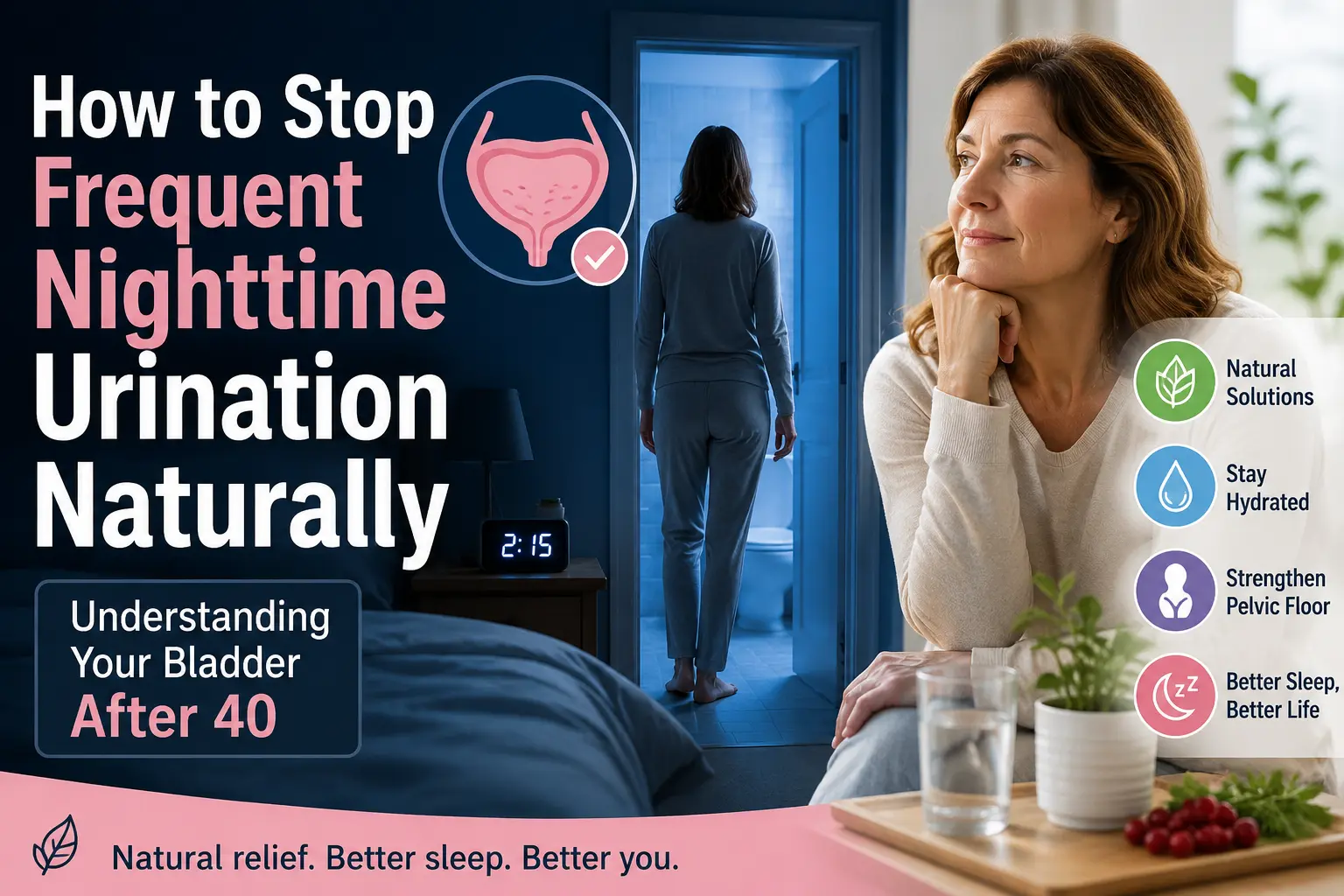
Waking up several times each night just to use the bathroom can leave you feeling exhausted before your day even begins. For many women over 40, nighttime urination becomes more than a minor inconvenience—it can disrupt sleep, reduce energy, and affect confidence in everyday life.
You may find yourself planning outings around restroom availability, limiting travel, or worrying about unexpected bladder leaks during exercise, laughter, or even a simple sneeze.
If this sounds familiar, you’re not alone. Millions of women experience changes in bladder function as they age. The good news is that understanding the underlying causes is the first step toward finding solutions that may help improve bladder health and quality of life.
Why Frequent Urination Becomes More Common With Age
The bladder is a muscular organ that stores urine until it’s time to empty. As we get older, several natural changes can affect how well this system works.
Hormonal changes—especially during and after menopause—can influence the tissues that support the bladder and urinary tract. At the same time, the pelvic floor muscles that help control urination may gradually weaken.
These changes can contribute to symptoms such as:
- Waking multiple times each night to urinate (nocturia)
- Feeling a sudden, urgent need to use the bathroom
- Occasional bladder leakage
- Increased urinary frequency during the day
- Feeling like the bladder isn’t completely empty
While these symptoms become more common with age, they are not something you simply have to “live with.”
What Is an Overactive Bladder?
An overactive bladder (OAB) is a group of symptoms rather than a single disease. It typically involves a frequent and urgent need to urinate, sometimes accompanied by leakage.
Several factors may contribute, including:
- Changes in bladder muscle function
- Weakened pelvic floor muscles
- Hormonal changes after menopause
- Certain medications
- Urinary tract infections
- Diabetes or other medical conditions
- High fluid intake, particularly caffeine or alcohol
Because many different conditions can cause similar symptoms, it’s important to speak with a healthcare professional if your symptoms are new, severe, or accompanied by pain or blood in the urine.
Can Lifestyle Changes Help?
For many women, simple daily habits can make a meaningful difference.
1. Strengthen the Pelvic Floor
Pelvic floor exercises (often called Kegel exercises) can help improve bladder control when performed consistently.
2. Review Your Evening Routine
Reducing fluids a few hours before bedtime and limiting caffeine or alcohol in the evening may help decrease nighttime bathroom trips.
3. Maintain a Healthy Weight
Extra abdominal pressure can place additional strain on the bladder and pelvic floor.
4. Keep a Bladder Diary
Tracking fluid intake, bathroom visits, and symptoms for several days can help identify patterns and provide useful information for your healthcare provider.
Are Natural Bladder Support Supplements Worth Considering?
Some women choose to explore dietary supplements as part of their overall bladder wellness routine.
Unlike prescription medications, dietary supplements are not intended to diagnose, treat, cure, or prevent disease. The evidence supporting individual ingredients varies, and results can differ from person to person.
If you’re considering a supplement, it’s worth looking for products that:
- Clearly list their ingredients
- Follow quality manufacturing standards
- Are transparent about safety information
- Encourage users to consult their healthcare provider
- Avoid unrealistic claims or “miracle cure” promises
Understanding FemiCore

One supplement that is marketed for women’s bladder health is FemiCore.
According to its manufacturer, FemiCore is a dietary supplement formulated with a blend of botanical ingredients intended to support normal bladder function and urinary health. The company states that the formula is designed to complement healthy lifestyle habits rather than replace medical care.
As with any dietary supplement, it’s important to remember that individual experiences vary. Scientific evidence supporting the complete formula may be limited, and dietary supplements are regulated differently from prescription medications.
Before starting any new supplement, especially if you take medications or have existing medical conditions, consult your physician or another qualified healthcare professional.
Supporting Better Bladder Health Every Day
Whether or not you choose to use a supplement, experts generally recommend combining multiple approaches for the best chance of improvement.
These may include:
- Regular pelvic floor exercises
- Healthy hydration habits
- Weight management
- Limiting bladder irritants
- Following your healthcare provider’s recommendations
- Considering evidence-informed supplements when appropriate
Taking a comprehensive approach often produces better results than relying on a single strategy.
When Should You See a Doctor?
Although bladder changes become more common with age, certain symptoms require medical evaluation.
Contact your healthcare provider if you experience:
- Blood in the urine
- Burning or pain during urination
- Recurrent urinary tract infections
- Sudden worsening of symptoms
- Inability to empty your bladder
- Symptoms that significantly interfere with daily life or sleep
Many effective treatments are available, and your healthcare provider can help determine the most appropriate option based on your individual situation.
Final Thoughts
Frequent nighttime urination and bladder control issues can be frustrating, but they don’t have to define your daily life.
Understanding the factors that contribute to bladder changes is an important first step. Healthy lifestyle habits, pelvic floor strengthening, and informed discussions with your healthcare provider can all play a role in improving bladder health.
If you’re researching dietary supplements such as FemiCore, take time to review the manufacturer’s information, examine the ingredient list, understand the available evidence, and discuss whether it’s appropriate for your individual health needs with a qualified medical professional.